Skip to Content

 Back to top
Image
Texas FFA Members Compete in Soil Stewardship Speech Contest
Three Texas FFA members have traveled a long competitive path contending against peers throughout the state to win top honors in the statewide Soil Stewardship Public Speaking Contest. The event focused on the theme “Rooted in Conservation.” The speech contest was held in Stephenville, on June 7-8th. The contest is sponsored by the Texas State Soil and Water Conservation Board (TSSWCB) and the Association of Texas Soil and Water Conservation Districts (ATSWCD) in cooperation with the Texas FFA Association.Release Date:
TSSWCB Announces 2024 Conservation Award Winners
TEMPLE — Each year the Texas State Soil and Water Conservation Board (TSSWCB) and the Association of Texas Soil and Water Conservation Districts recognize and celebrate individuals that dedicate th
Release Date:
Image
Freeman Elected to the Texas State Soil and Water Conservation Board
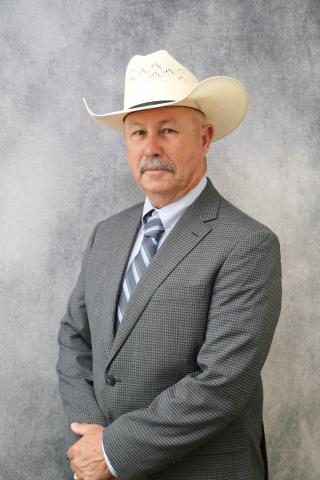
TEMPLE—Joe Freeman of Llano was elected on May 7th to serve on the Texas State Soil and Water Conservation Board (TSSWCB). Freeman represents TSSWCB Area 2, which consists of 50 counties in the western to trans-Pecos, encompassing, 43 Soil and Water Conservation Districts (SWCDs).Release Date:
Image
David Basinger of Deport Re-Elected to Texas State Soil and Water Conservation Board
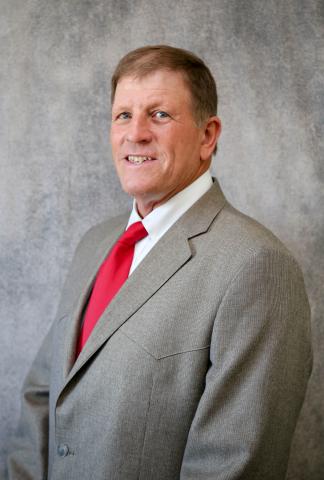
TEMPLE — David Basinger of Deport was re-elected on May 7th, to serve a successive two-year term on the Texas State Soil and Water Conservation Board (TSSWCB). Basinger represents TSSWCB State District IV, which consists of 52 counties in the Piney Woods and Eastern Gulf Coast regions. State District IV encompasses 37 Soil and Water Conservation Districts (SWCDs).Release Date:
Image
Marty Graham is Stepping Down After 16 Years of Service to the Texas State Soil and Water Conservation Board
TEMPLE-After 16 years of service, Marty Graham has stepped down after many years of dedication to the Soil and Water Conservation Districts (SWCDs) across Texas. In 2008, Graham was elected to the Texas Sate Soil and Water Conservation Board (TSSWCB) to represent Area II, covering 50 counties in the western to trans-Pecos region of Texas, consisting of 43 SWCDs. Throughout his tenure on the TSSWCB, Graham served as Chairman for four years.Release Date:
Soil and Water Conservation District Directors to Elect Area IV Texas State Soil and Water Conservation Board Member
Soil and Water Conservation Districts in Area IV will elect a member to the Texas State Soil and Water Conservation Board (TSSWCB) on Tuesday, May 7, 2024. The election will be held at 6:00 p.m. in Rusk, Texas at the Rusk Activity Center. Area IV is located in the Piney Woods and Eastern Gulf Coast regions of Texas. The district is home to 37 Soil and Water Conservation Districts (SWCDs) that service 52 counties.Release Date:
Soil and Water Conservation District Directors to Elect Area II Texas State Soil and Water Conservation Board Member
Soil and Water Conservation Districts in Area II will elect a member to the Texas State Soil and Water Conservation Board (TSSWCB) on Tuesday, May 7, 2024. The election will be held at 6:00 p.m. in Wall, Texas at the Parish Hall of the Saint Ambrose Catholic Church. Area II is located in the Hill Country and Big Bend-Trans Pecos region of Texas. The district is home to 43 Soil and Water Conservation Districts (SWCDs) that service 50 counties.Release Date:
Texas Soil and Water Stewardship Week Showcases the Significance of Forests
The Texas State Soil and Water Conservation Board (TSSWCB) and the Association of Texas Soil & Water Conservation Districts are joining organizations across the state in a campaign to highlight Soil and Water Stewardship Week and the importance of voluntary land stewardship in Texas. The statewide campaign is April 28 through May 5, 2024, and the focus this year is “May the Forest Be With You Always.”Release Date:
Texas State Soil and Water Conservation Board Releases 2023 Annual Report on Nonpoint Source Pollution Management in Texas
The Texas State Soil and Water Conservation Board (TSSWCB) is announcing the release of the 2023 Annual Report. The Nonpoint Source Pollution Management in Texas – 2023 Annual Report is a jointly published report by the TSSWCB and the Texas Commission on Environmental Quality (TCEQ). This report is a culmination of the State’s efforts to ensure and improve the quality of water in Texas. The 2023 report highlights annual load reductions of nitrogen, phosphorus, and sediment, and includes success stories achieved in various waterbodies across the state.Release Date:
EPA Accepts Kickapoo Creek in Henderson County Watershed Protection Plan
TEMPLE—The Kickapoo Creek in Henderson County Watershed Protection Plan (WPP) has been reviewed and accepted by the U.S. Environmental Protection Agency (EPA). Plan acceptance is dependent on meeting EPA’s guidelines for watershed-based plans. The WPP outlines a strategy to implement management measures that will reduce nonpoint source pollution into Kickapoo Creek.Release Date: